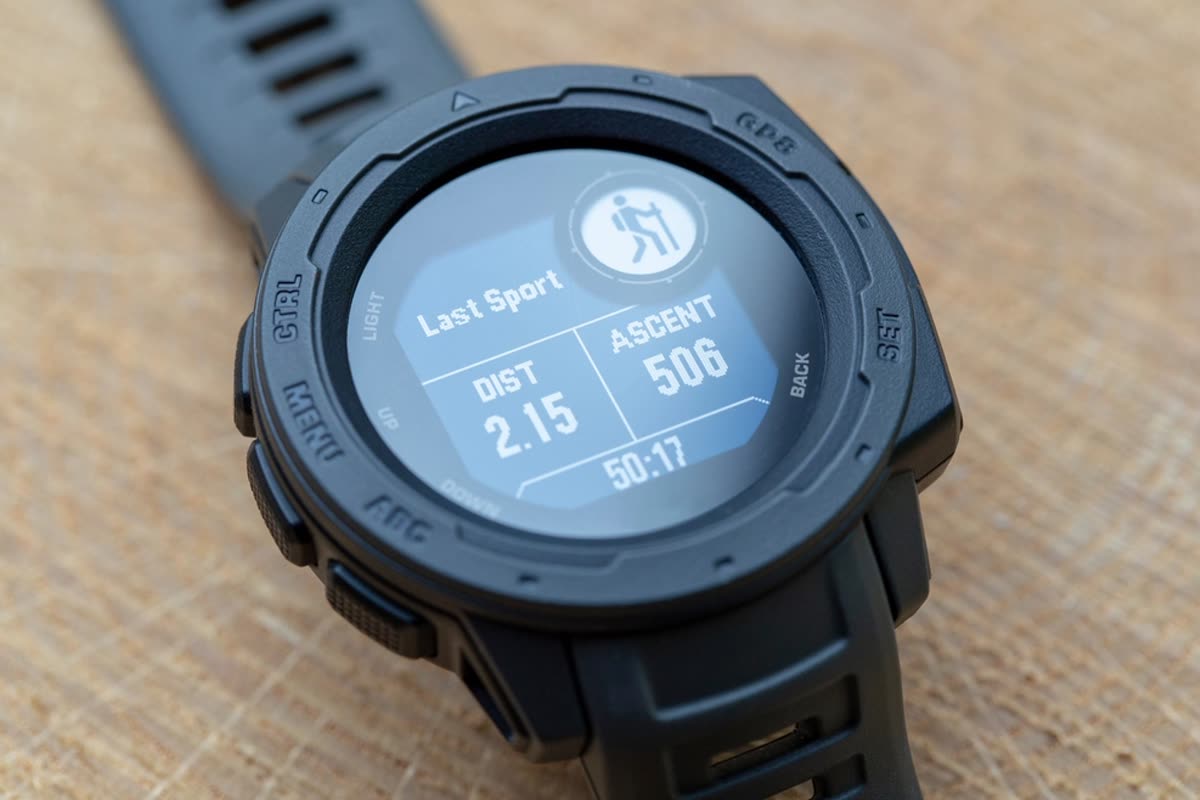
Above: an outdoor watch with a memory-in-pixel display, the screen technology the leak says returns on the Pro models. No photograph of a fenix 9 exists; anything circulating online is a fan render.
Garmin has announced nothing. Everything below comes from a leak published by Garmin Rumors on 2 August 2026 and repeated since by several outlets. Treat every specification in this article as a claim by an unnamed source until Garmin says otherwise.
What the leak actually says
Three watches instead of the usual two: a plain fenix 9, a fenix 9 Pro, and a fenix 9 Pro inReach. The split matters more than the names, because it changes who has to pay for what.
- The basic fenix 9 would come with an AMOLED screen only.
- Both Pro models would offer a choice: AMOLED, or a memory-in-pixel screen with solar charging.
- Solar would be limited to the 47 mm case and larger. The 43 mm size would exist across the line, but without solar.
- Satellite messaging would move to the Pro inReach alone, instead of being bundled into every Pro.
- Sapphire glass would become part of the Pro tier rather than a separate edition you pick in the shop.
- Timing: the second half of 2026.
That point about satellite messaging is the one buyers should read twice. If it holds, the cheapest way into a fenix 9 with inReach becomes the top model, not the middle one.
Nothing in the leak is a sensor
Screens, glass, solar cells and satellite radios have one thing in common: none of them measures anything about your body. They change how long the watch runs, how well you read it in the sun, and whether you can call for help from a ridge with no signal. They do not change your heart rate, your HRV or your sleep.
That is worth saying plainly, because a higher generation number invites the assumption that the health data improves with it. In our own comparison of 110 devices, the fenix 8 in the 47 mm AMOLED version already reads 21 of the 33 health signals we track, the widest coverage in the whole catalogue. It records HRV, overnight blood oxygen, skin temperature, respiratory rate, an ECG, AFib detection, all-day stress, sleep stages and VO2max, on a claimed 16 days of battery.
The twelve signals it does not read are mostly things no wrist device can do at all: weight, body fat, muscle and bone mass, visceral fat, hydration and blood pressure. Those need a scale or a cuff, not a newer watch. Waiting a generation will not bring them.
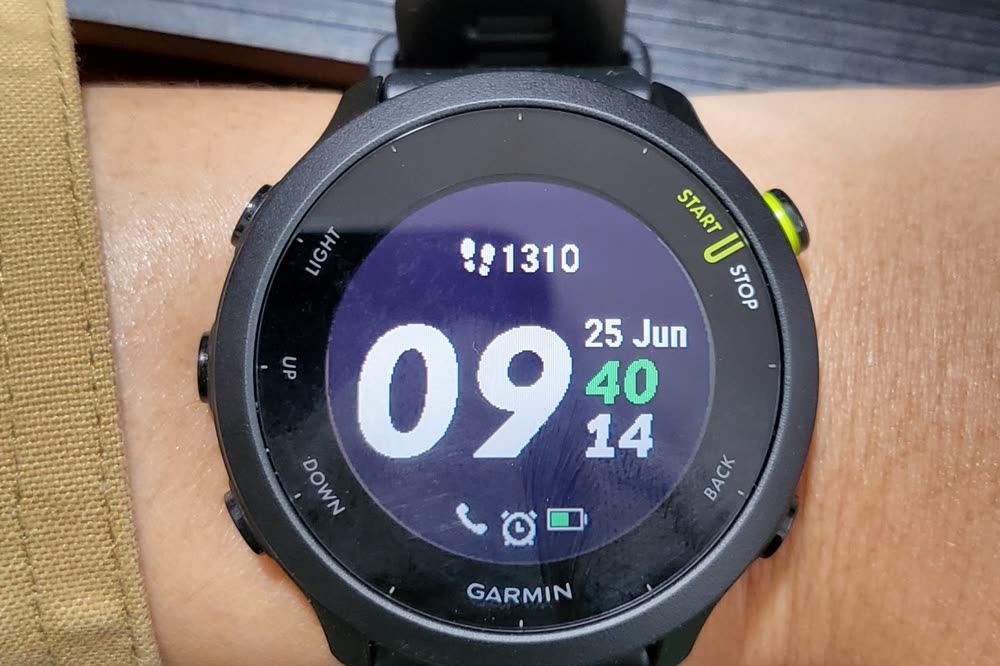
AMOLED or memory-in-pixel: the only decision that is really yours
A memory-in-pixel screen holds its image without redrawing it, so it sips power and it is at its best in direct sun. Indoors it looks dim and the colours are flat. An AMOLED screen is bright, sharp and readable in a dark room, and it eats battery, particularly with the display always on. For reference, the current fenix 8 Solar in 47 mm is quoted at up to 28 days, while the AMOLED version is quoted at around 16 days, and roughly 7 with the screen always on.
If the leak is right, that choice disappears from the entry model. Anyone who wants the long-battery screen would have to buy a Pro, and anyone who wants a 43 mm case would give up solar entirely. Those are the two sentences to check on announcement day, because they decide what you pay.
Wait, or buy now?
Waiting is not free. Every metric built on your own history needs that history to exist: a baseline for resting heart rate and HRV takes two to four weeks of consistent wear before it says anything about you rather than about the population. Six months of waiting is six months of numbers you will not have.
Waiting makes sense for one reason: prices of the outgoing generation tend to fall once a successor lands. If budget is your constraint, that is a real argument. If the data is what you are after, the fenix 8 measures today what the fenix 9 is expected to measure tomorrow, because no leak claims a new sensor.
What would actually be worth waiting for
A new generation earns the upgrade when it adds a measurement the old one could not take at all. Cuffless blood pressure would qualify. So would sleep apnea screening, or a temperature sensor accurate enough to be read as a number rather than as a deviation from your own average. None of those appear in any version of this leak.
Until one of them does, the honest summary of the fenix 9 is this: a repackaging of the range, with the satellite radio moved behind a higher price. Useful to know before you spend a thousand euros. Not a reason to postpone finding out how you sleep.
Sources
The original claim: Garmin Rumors, 2 August 2026, repeated by Garmin News and Notebookcheck. Signal counts and battery figures for the fenix 8 come from our own device catalogue, which is built from manufacturer specification sheets and cross-checked against independent hands-on reviews. Garmin has issued no statement on any fenix 9 model.
Photographs: both images in this article are CC0 and show other devices. No photograph of a fenix 9 exists.
Garmin neoznámil nic. Všechno níže vychází z úniku, který 2. srpna 2026 zveřejnil web Garmin Rumors a od té doby ho převzala další média. Ke každému parametru v tomto článku přistupujte jako k tvrzení nejmenovaného zdroje, dokud se Garmin nevyjádří.
Co únik vlastně tvrdí
Místo obvyklých dvou verzí rovnou tři: obyčejný fenix 9, fenix 9 Pro a fenix 9 Pro inReach. Podstatnější než názvy je to rozdělení, protože mění, kdo si za co připlatí.
- Základní fenix 9 by přišel jen s displejem AMOLED.
- Obě verze Pro by nabídly volbu: buď AMOLED, nebo displej memory-in-pixel se solárním dobíjením.
- Solár by zůstal vyhrazený pouzdru 47 mm a většímu. Velikost 43 mm by existovala napříč řadou, ale bez soláru.
- Satelitní zprávy by se přesunuly výhradně na Pro inReach, místo aby je dostala každá verze Pro.
- Safírové sklo by patřilo k úrovni Pro, místo aby šlo o zvláštní edici, kterou si vybíráte v obchodě.
- Termín: druhá polovina roku 2026.
Bod o satelitních zprávách si přečtěte dvakrát. Pokud platí, nejlevnější cesta k fenixu 9 s inReachem povede přes nejvyšší model, ne přes prostřední.
Ani jedna z těch novinek není senzor
Displeje, sklo, solární články a satelitní vysílačky mají jedno společné: ani jedno z toho neměří nic o vašem těle. Rozhodují o tom, jak dlouho hodinky vydrží, jak dobře je přečtete na slunci a jestli si přivoláte pomoc z hřebene bez signálu. Váš tep, HRV ani spánek nezmění.
Stojí za to to říct natvrdo, protože vyšší číslo v názvu svádí k domněnce, že se s ním zlepší i zdravotní data. V našem srovnání 110 zařízení čte fenix 8 ve verzi AMOLED 47 mm už teď 21 z 33 sledovaných zdravotních signálů, což je nejširší záběr v celém katalogu. Zaznamená HRV, noční okysličení krve, teplotu kůže, dechovou frekvenci, EKG, detekci fibrilace síní, celodenní stres, fáze spánku i VO2max, a to při udávané výdrži 16 dní.
Dvanáct signálů, které nečte, jsou většinou věci, na které náramkové hodinky nestačí v principu: hmotnost, tělesný tuk, svalová a kostní hmota, viscerální tuk, hydratace a krevní tlak. K tomu potřebujete váhu nebo tonometr, ne novější hodinky. Čekání na další generaci vám je nepřinese.
AMOLED, nebo memory-in-pixel: jediné rozhodnutí, které je opravdu na vás
Displej memory-in-pixel drží obraz, aniž by ho překresloval, takže spotřebuje minimum energie a nejlépe se čte na přímém slunci. V místnosti působí matně a barvy jsou ploché. AMOLED je jasný, ostrý a přečtete ho i v šeru, zato bere baterii, obzvlášť s trvale zapnutým displejem. Pro představu: současný fenix 8 Solar ve 47 mm udává až 28 dní, verze AMOLED kolem 16 dní a se stále zapnutým displejem zhruba 7.
Pokud únik sedí, u vstupního modelu tahle volba zmizí. Kdo bude chtít displej s dlouhou výdrží, bude muset sáhnout po verzi Pro, a kdo chce pouzdro 43 mm, se soláru vzdá úplně. Právě tyhle dvě věty si v den oznámení ověřte, protože rozhodují o tom, kolik zaplatíte.
Počkat, nebo koupit hned?
Čekání není zadarmo. Každá metrika postavená na vlastní historii potřebuje, aby ta historie existovala: než výchozí hodnoty klidového tepu a HRV vypovídají o vás, a ne o populaci, musíte hodinky nosit dva až čtyři týdny v kuse. Půl roku čekání znamená půl roku čísel, která mít nebudete.
Čekat se vyplatí z jediného důvodu: ceny odcházející generace obvykle klesnou, jakmile dorazí nástupce. Pokud vás omezuje rozpočet, je to pádný argument. Pokud jde o data, fenix 8 měří dnes to, co se od fenixu 9 zítra čeká, protože o novém senzoru nemluví žádný únik.
Na co by se čekat vyplatilo
Nová generace si povýšení zaslouží tehdy, když přidá měření, které ta předchozí neuměla vůbec. Krevní tlak bez manžety by se počítal. Stejně tak screening spánkové apnoe či teplotní senzor přesný natolik, aby se dal číst jako hodnota, a ne jen jako odchylka od vašeho průměru. Nic z toho se v žádné verzi tohoto úniku neobjevuje.
Dokud se něco takového neukáže, zní poctivé shrnutí fenixu 9 takhle: přeskládání řady, ve kterém se satelitní vysílačka posunula za vyšší cenu. Dobré vědět, než utratíte tisíc eur. Není to důvod odkládat, kdy se dozvíte, jak spíte.
Zdroje
Původní tvrzení: Garmin Rumors, 2. srpna 2026, převzato weby Garmin News a Notebookcheck. Počty signálů a údaje o výdrži u fenixu 8 pocházejí z našeho vlastního katalogu zařízení, který stojí na specifikacích výrobců a ověřuje se proti nezávislým recenzím. Garmin se k žádnému modelu fenix 9 nevyjádřil.
Fotografie: oba obrázky v článku jsou pod licencí CC0 a zachycují jiná zařízení. Žádná fotografie fenixu 9 neexistuje.