

Blog
The science behind your data
Articles on HRV, sleep, recovery and what your watch, ring and scale are really telling you, grounded in peer-reviewed research.
20
Articles
6
Topics
EN + CS
Two languages
Devices
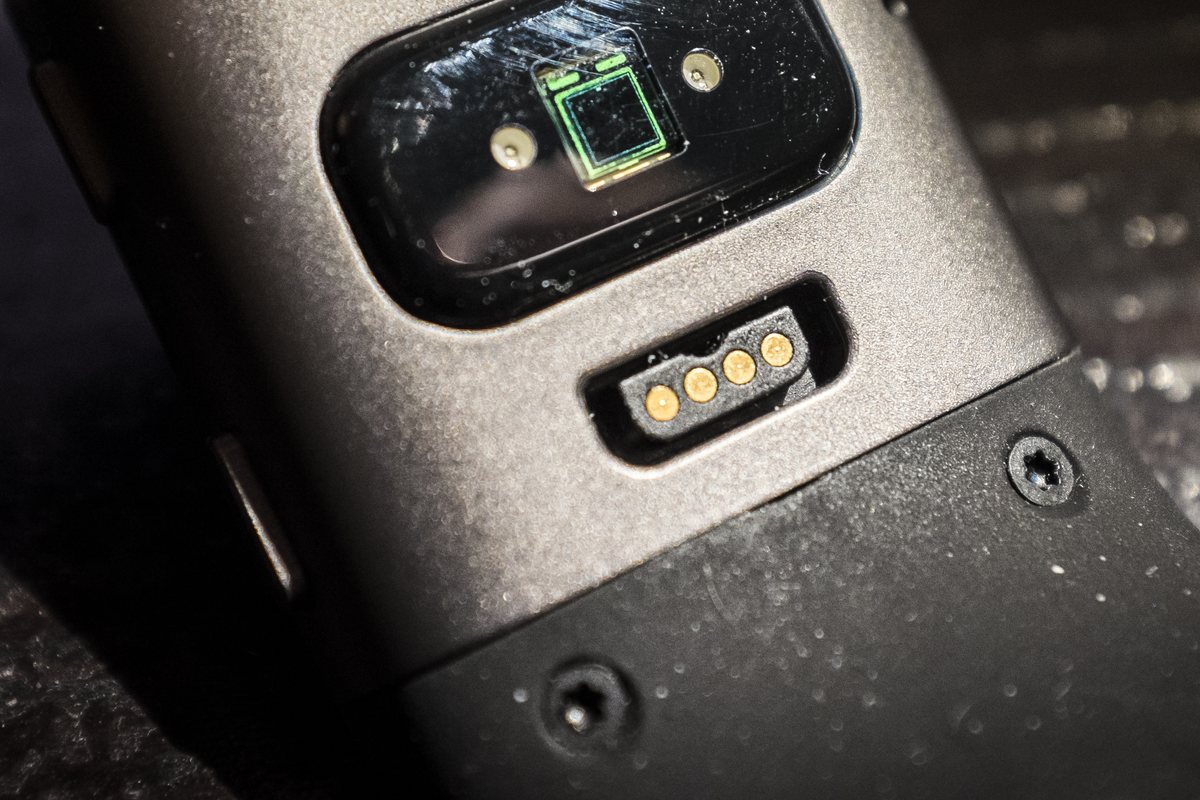
Four screenless trackers, one sensor set
The CIRQA, Fitbit Air, Oura Ring 5 and WHOOP 5.0 record the same twelve signals through the same four sensors. What separates them is three features and a three-year bill from $100 to $717.
2026-09-04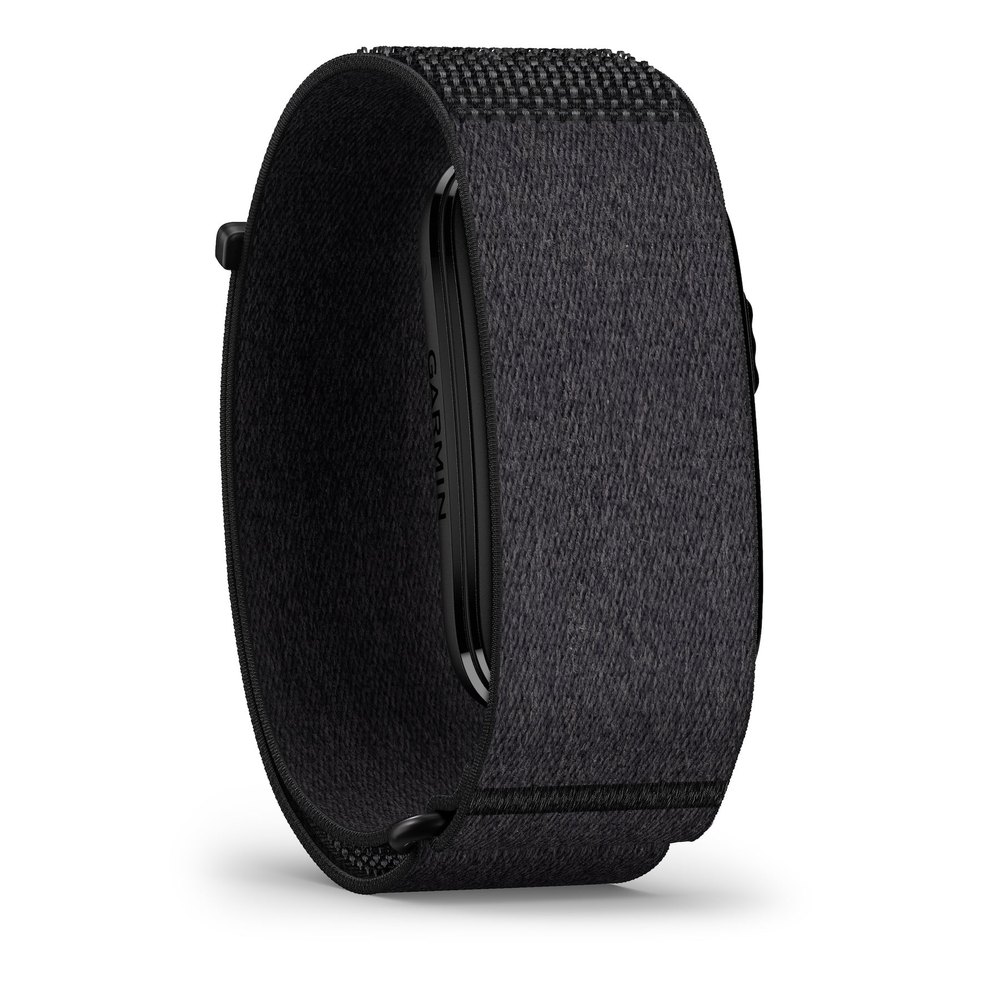
Devices
Garmin CIRQA: the whole health stack, minus the screen
2026-08-18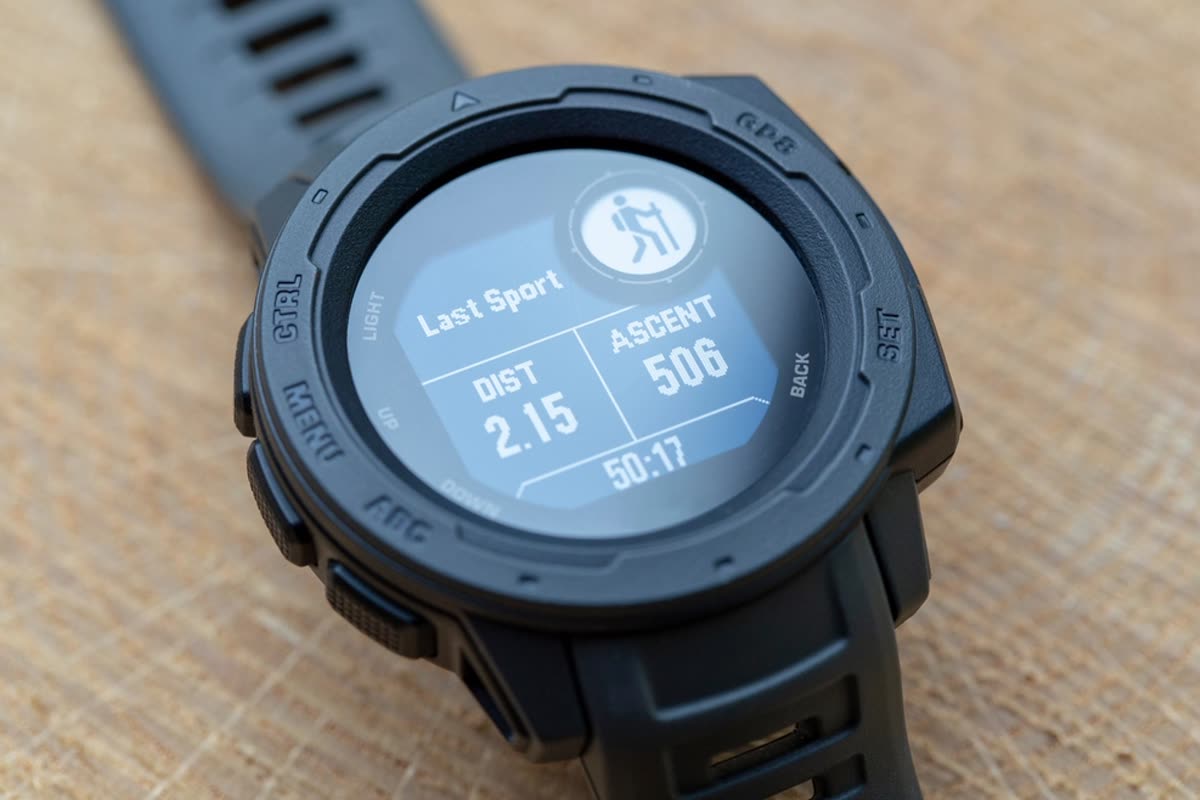
Devices
Garmin fenix 9 and fenix 9 Pro: brighter, faster, same sensors
2026-08-03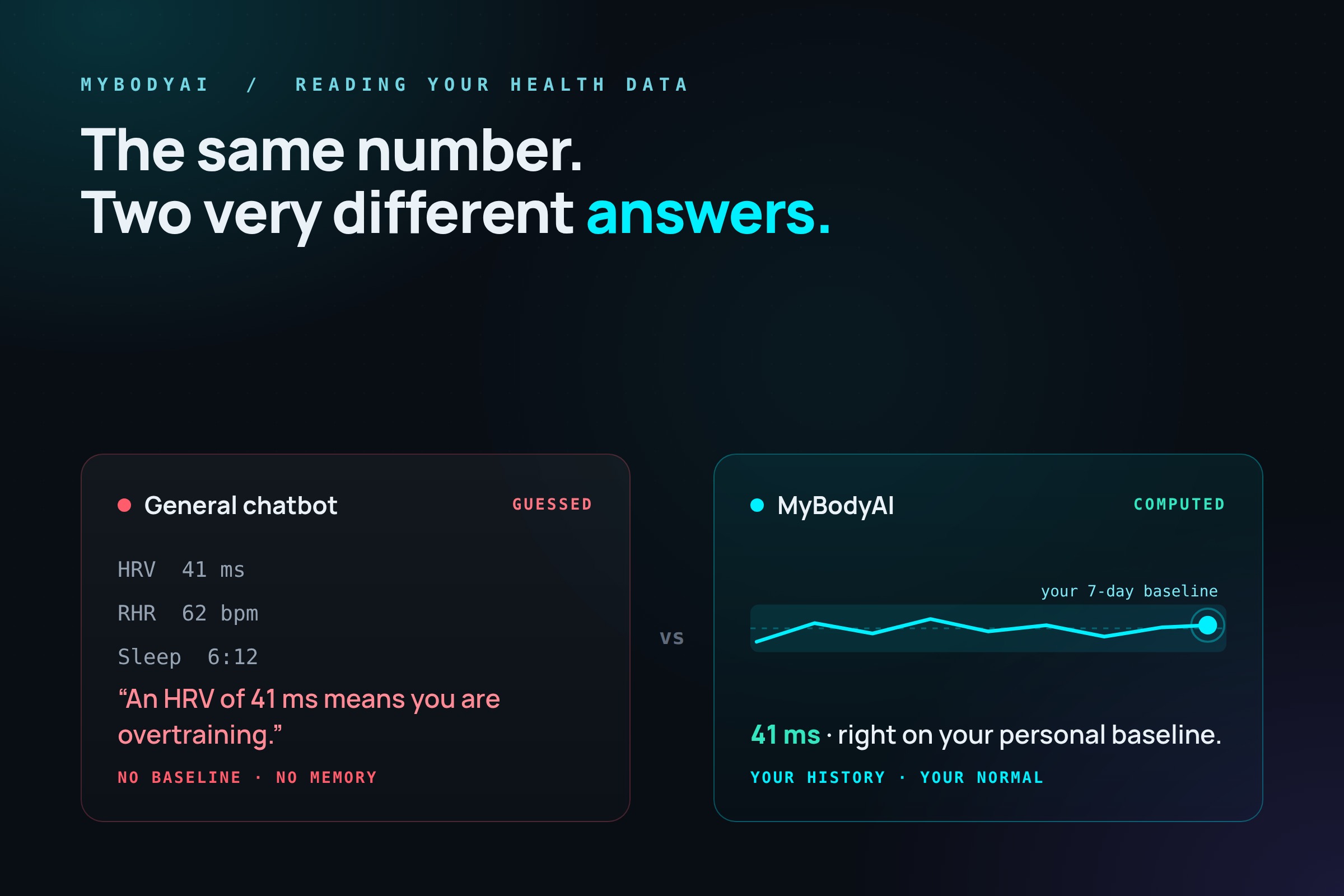
AI
Pasting your watch data into ChatGPT? Here is what it misses
2026-07-24
Health
Heatwaves and your body
2026-06-28
Training
Why most of your training should be easy
2026-06-23
Sleep
Can your smartwatch detect sleep apnea?
2026-06-11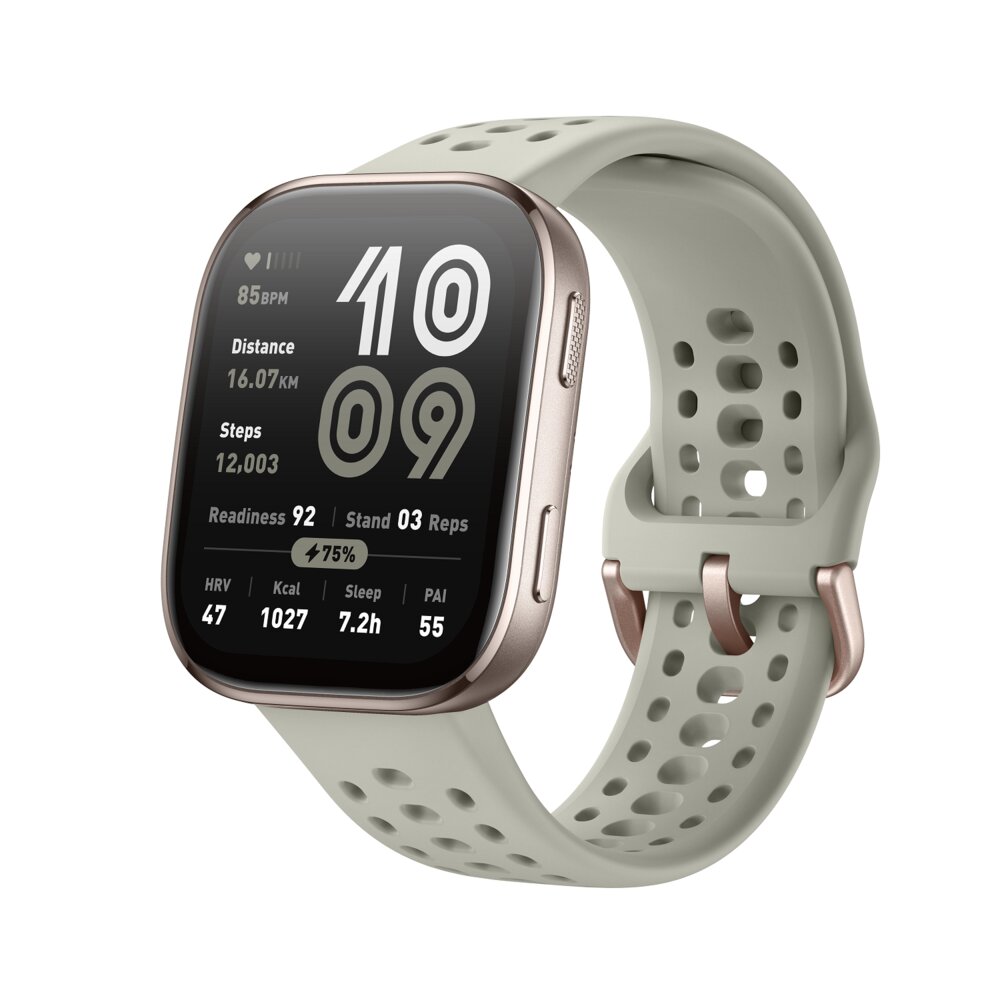
Devices
Amazfit Bip 6: the $79.99 watch worth a second look
2026-05-25
Science
Your chronotype matters more than you think
2026-05-20
Devices
HRV accuracy: Garmin vs Polar vs Fitbit vs Withings
2026-05-09
Recovery science: how to know when your body is ready

How stress affects your HRV

VO2max: the best predictor of longevity
Resting heart rate: what your number means
Can your wearable detect illness before you feel it?
What is HRV and why it matters

Biological age vs chronological age
How wearables detect illness before you feel sick
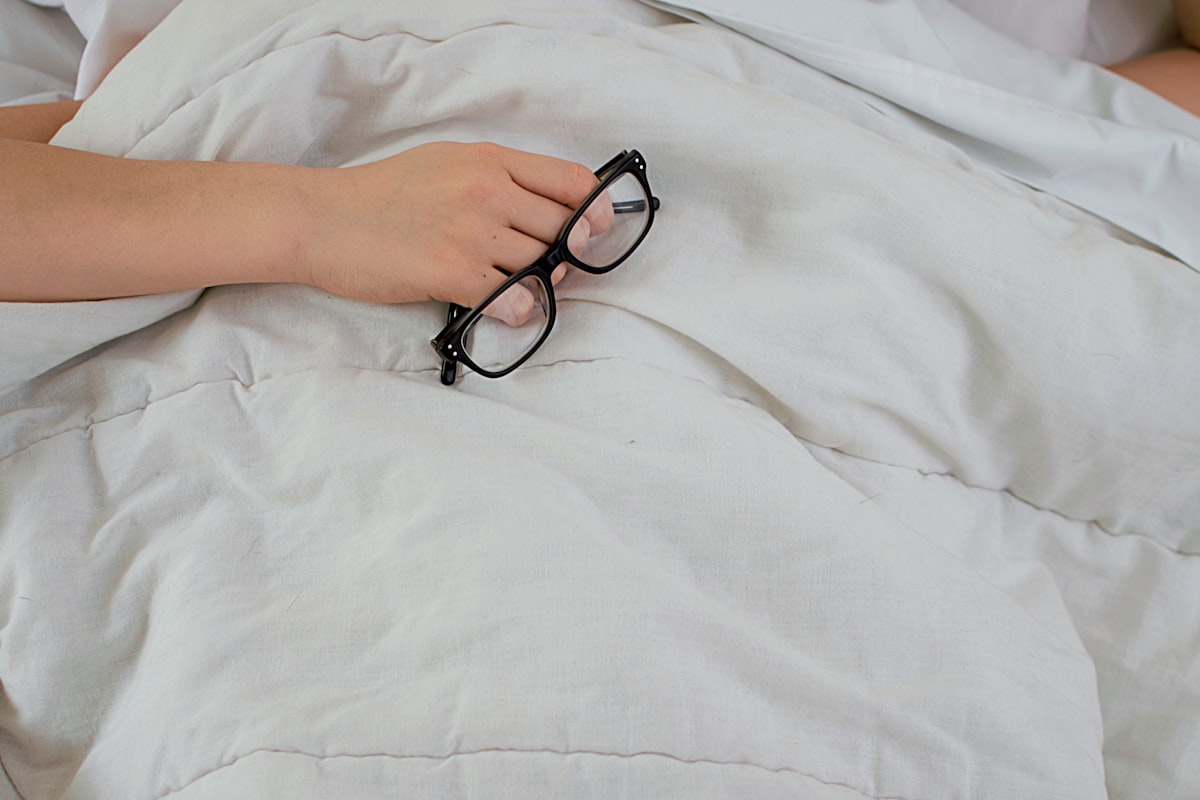
Sleep debt: the hidden cost of lost sleep
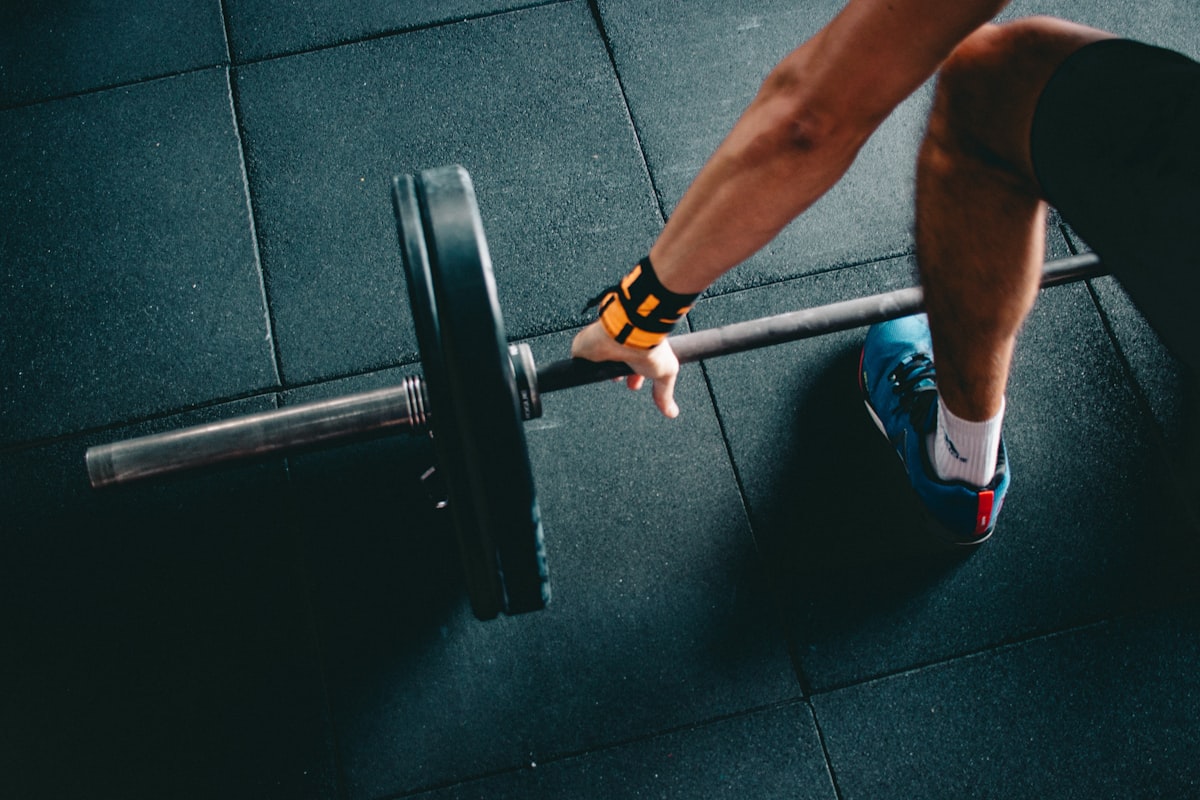
Overtraining: 5 warning signs your wearable can catch
No articles match your search.